You Don’t Have to Do Everything On Every Hike
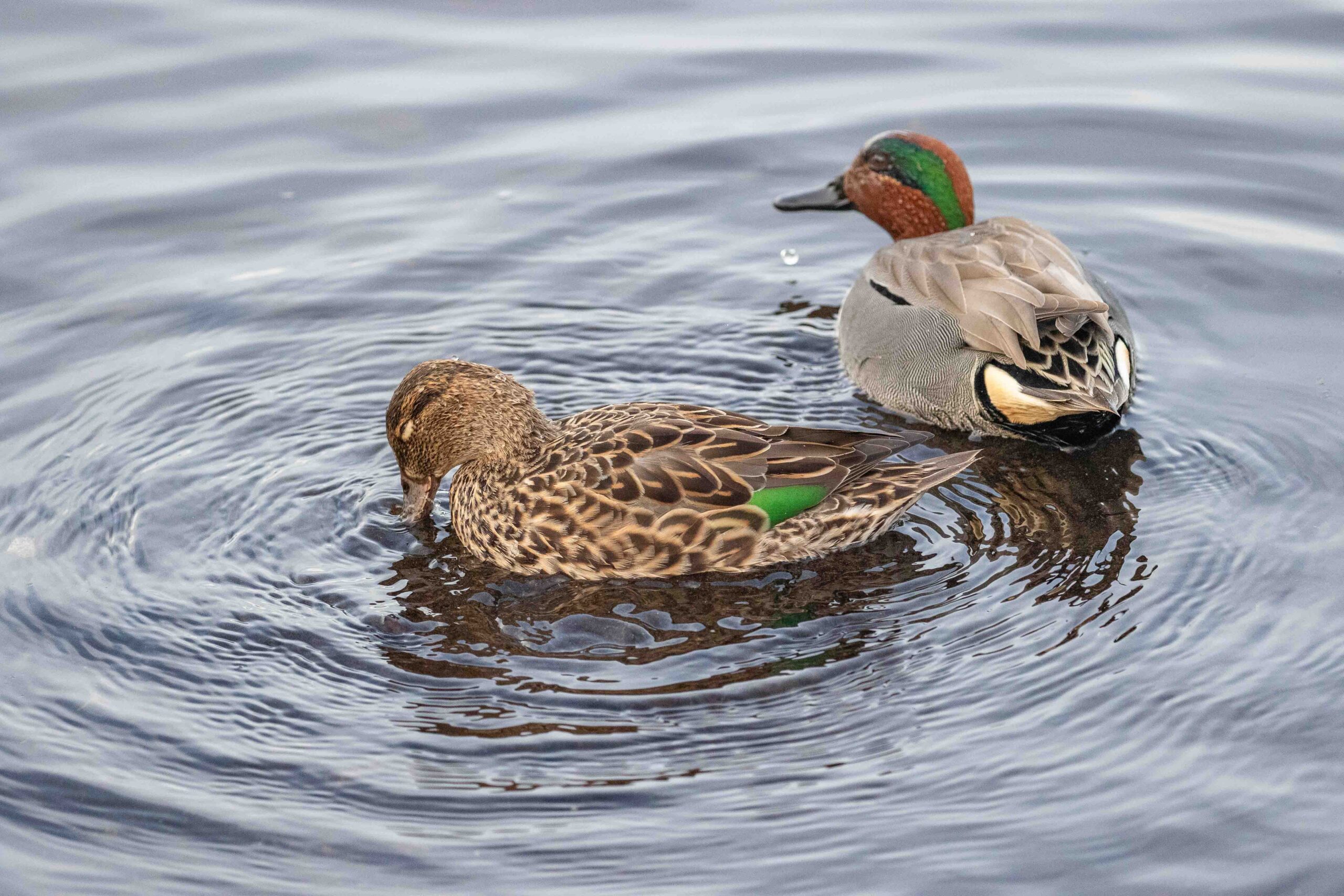
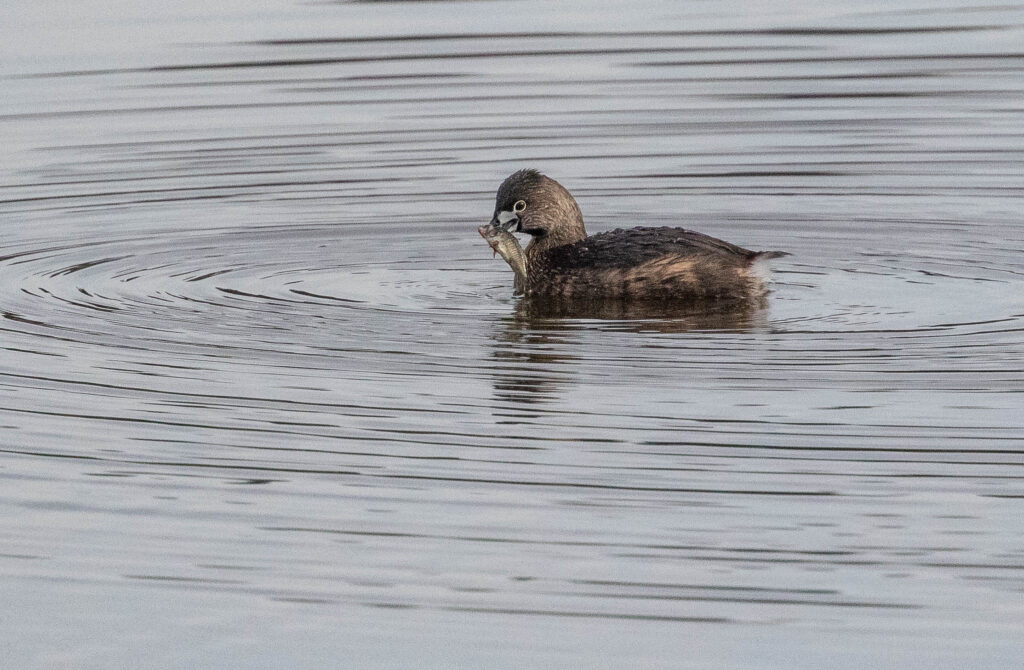
This morning, I took my dog for a birding walk to Twin Ponds, where 10 ring-necked ducks, 4 gadwalls, and a pair of green-winged teals surprised me. I had assumed most wintering birds had migrated already.
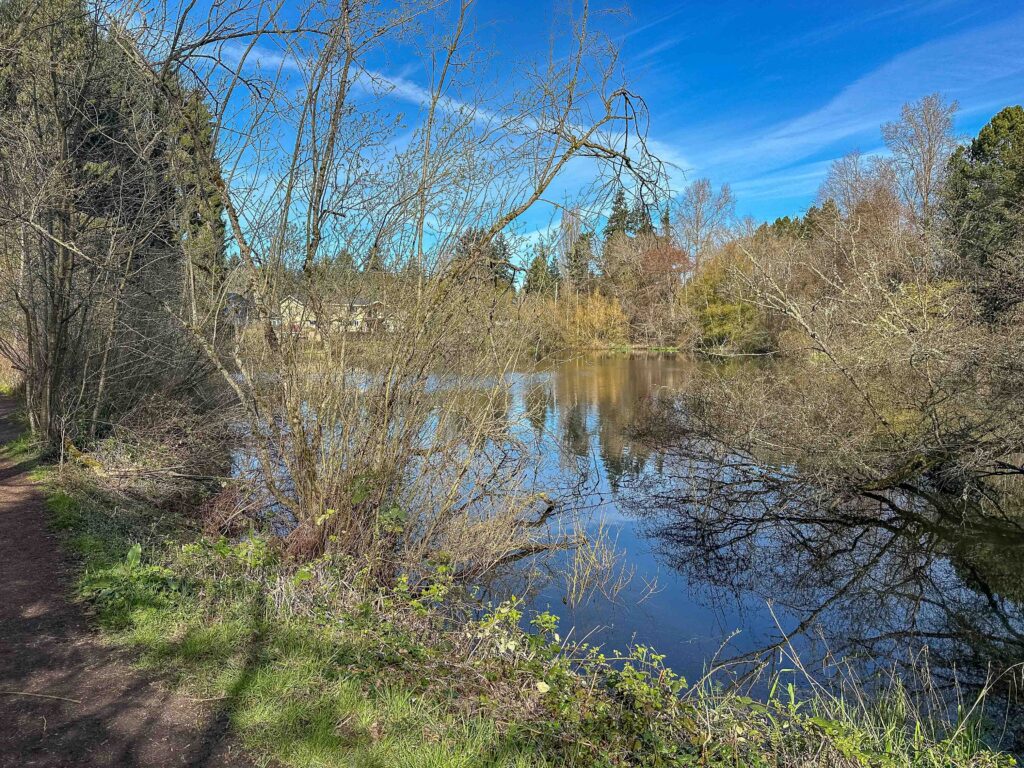
As we strolled, I found myself thinking about recent hikes and upcoming April talks, and I realized I’ve been asking each client session, each talk, each hike to do too much. I’m reviewing the purpose of setting intentions. Not every hike has to do everything.
The Old Way
For the past year, I’ve tried to blend everything into every outing—birding during breaks, photography when something catches my eye, teaching whatever comes up, while also trying to meet everyone’s conditioning goals. The intention was good, but the result felt diluted.
Part of me is resistant to changing it. After all, I received the Mountaineers service award, hike leader of the year, and trip reporter of the year 2025 leading this way. And yet I’m always growing, expanding, and improving. So can my leading.
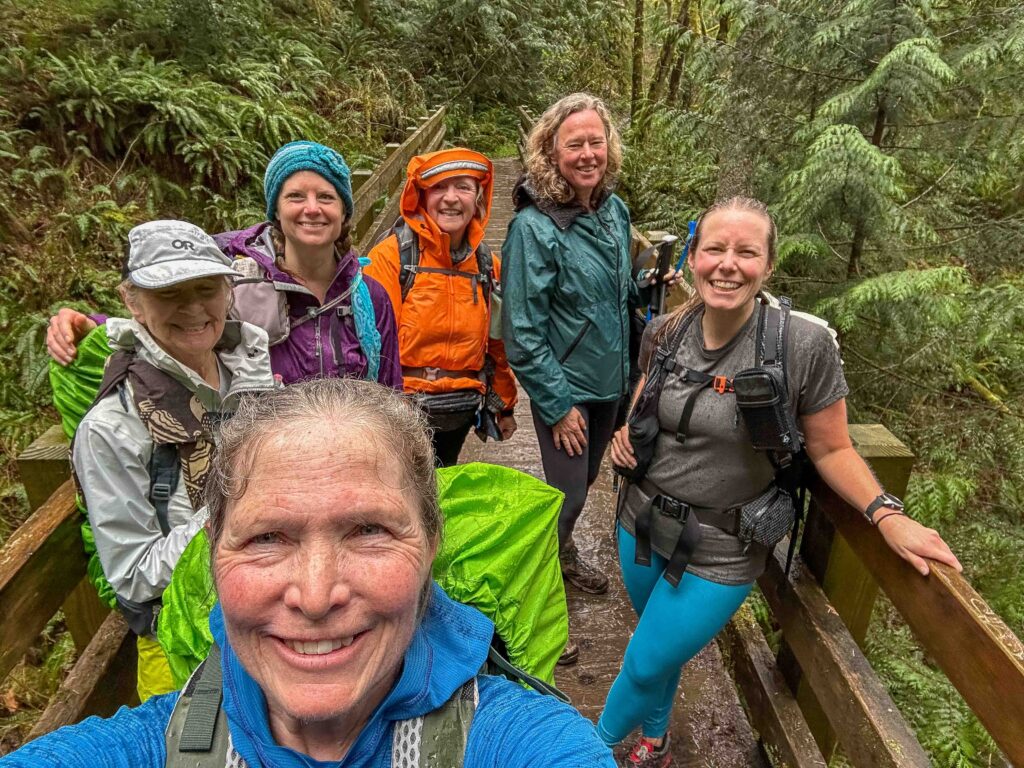
My Realization
Something has shifted.
As I work on my upcoming “Increase Hiking Speed” talk, I realize that if the goal is to help people move better and slow down less, the structure of the hike actually has to support that. In the Mountaineers’ Conditioning Hiking Speed (CHS) series, some participants are in it for the speed (CHS-2 students hiking 2–3 mph) and others want a slower pace with more frequent breaks (1.5–2 mph). Last year, I led both in much the same way.
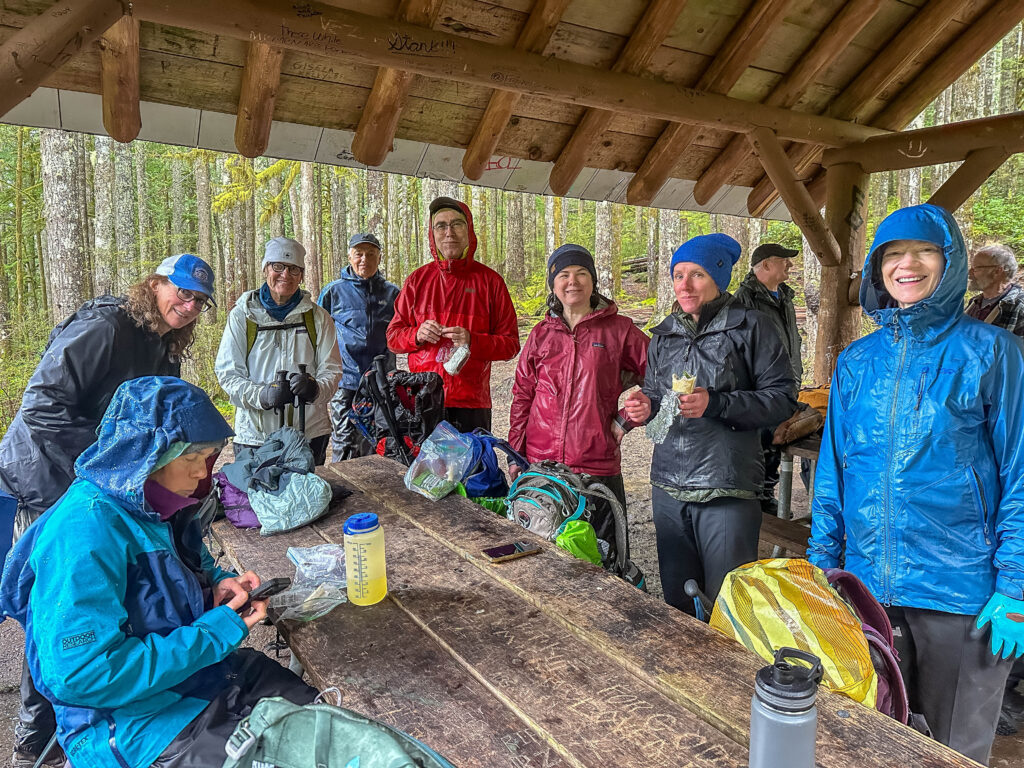
This year, my goals are different. I’m setting intentions that include leading a 19-mile, 5400’ gain day that will require a sustained pace, along with multi-day backpacks carrying heavier loads. So, my hikes are beginning to reflect that.
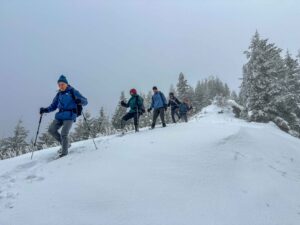
CHS-2 hikes are becoming my “speed” hikes, where I’m traveling faster and lighter. CHS-1 hikes are becoming more about strength or overload with a heavier pack, slower pace, and more time under tension. And my birding or “sniffer-paced” hikes are shifting into entirely different intentions: enjoyment, recovery, and noticing.
Each one has a distinct role.
My New Approach
Part of me still wants to include everything—you can’t really shut off birding by ear if that’s your natural instinct—but I’m starting to be more aware of the intentions for each outing.
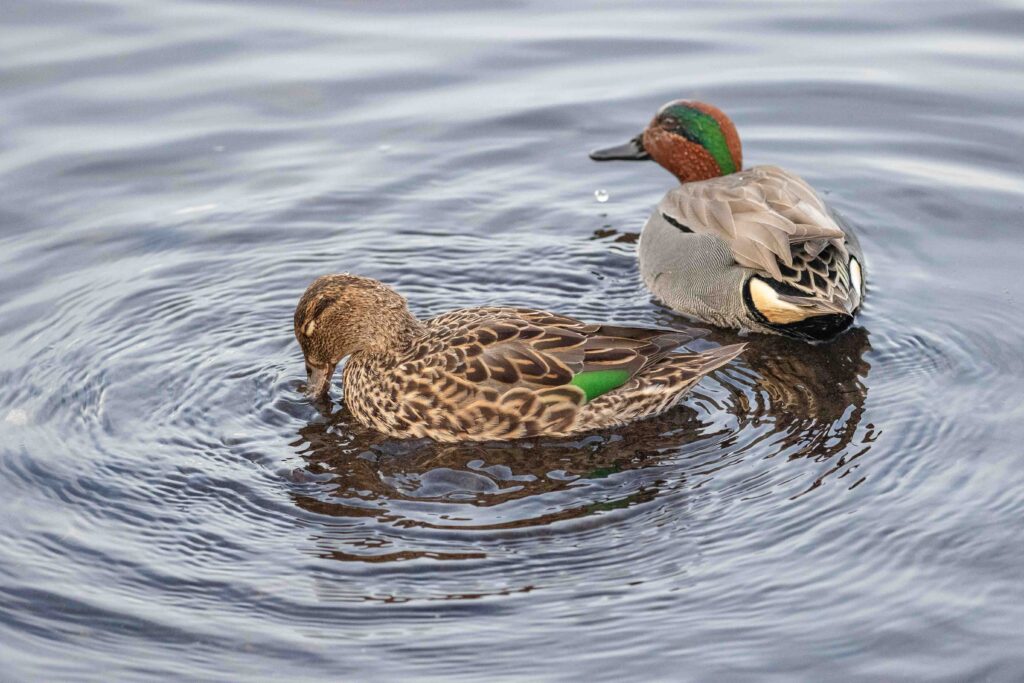
Some trips are for birding and noticing, like the naturalist hikes I’m leading at Juanita Bay, Marymoor Park, and Union Bay with people who want to learn that layer. Others are for movement and consistency through the CHS hikes. Still others are for exploration and curiosity, which may or may not include a focus on pace.
Each one gets to be what it is. When you’re leading 8–10 outings a month, that variety actually becomes necessary—for both physical periodization and keeping things interesting. But not everyone wants everything. Most people, especially if they only hike once or twice a month, are coming for one primary intention.
What Changes Because of That
Not every outing has to check every box.
My job as a leader is to make my intention for each hike as clear as possible so others can self-select. Ideally, that leads to better outcomes, happier participants, and less internal tension for me.
And as I write this, I realize this isn’t just about hiking. It applies to workouts, work projects, even regular weekdays. I don’t have to do strength and mobility and intervals and recovery and endurance all in the same workout. I don’t have to deliver neuro and mobility and health coaching and nutrition and strength all in one session. People may want that but it’s impossible to deliver everything at once. And I’m tired of trying to be everything all at the same time.
What becomes even more evident is the importance of setting intentions—for the classes I’m teaching, the clients I’m seeing, and even the hours in the day where I could go one of ten different directions. What if I pause and ask: what is the one most important thing that needs to happen in the next hour? Or on the next hike?
This month, I’m experimenting with giving each hike a purpose—and trusting that over time, all my widely varying needs still get met. Just not all at once.