Trust What the Trail Teaches
Last Tuesday, on a hike I led to Rattlesnake/Grand Prospect, one of my participants asked me about my upcoming seminar on “Strategies for Effective Feedback.” She privately shared a publicly shaming incident that left her feeling detached, distanced, and angry. Some of my best conversations come in the mountains, where I’ve grown to trust what the trail teaches.
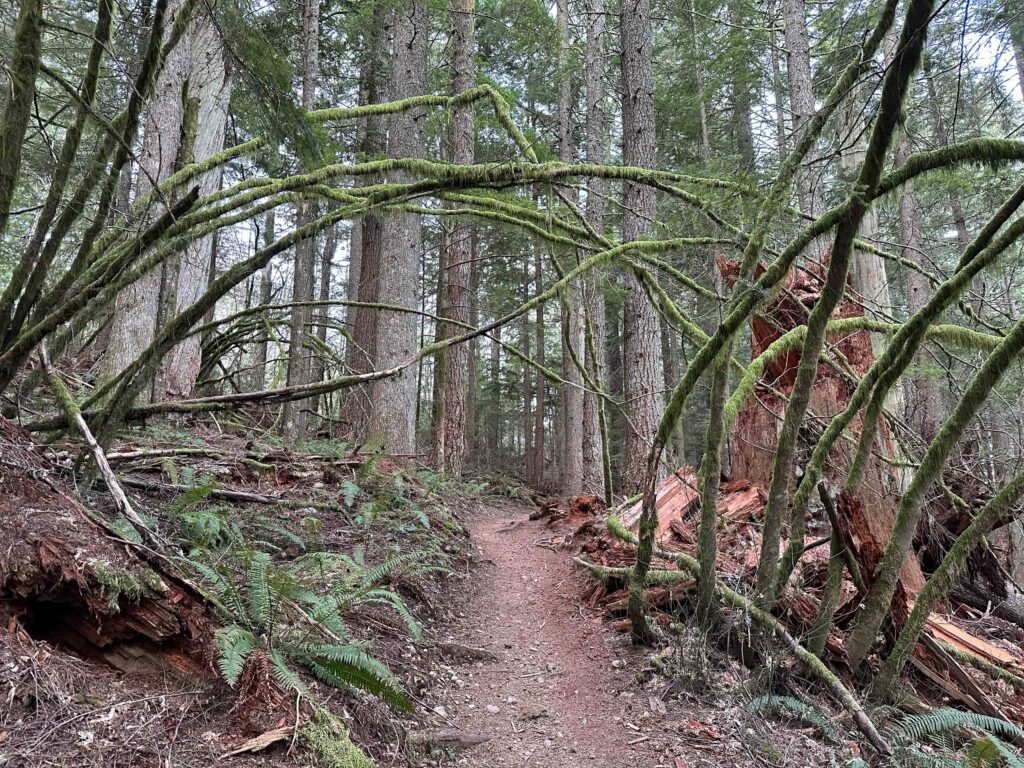
She explained how the leader had shamed her in front of all the other participants, concluding with “Shame on you.” My heart went out to her. Nobody deserves shaming. Shaming only shuts people down. I mentally ran through all my upcoming “feedback” advice and landed first on “Listen carefully” with “Help the person come up with their own best options for moving forward” a close second.
Within the span of ten minutes, as the wind picked up around us on the pine needle-strewn path, we unearthed a wide range of possible next steps. And as we paused to let the other hikers catch up, she turned and thanked me for holding space.
Identity Shift
Something in our conversation had a profound impact on me. I’m allowing myself to see that I have grown into a facilitator, both on and off the trail. I can’t point to any specific turning point, as the past 15 months of leading with the Mountaineers have all contributed to this gradual change in identity.
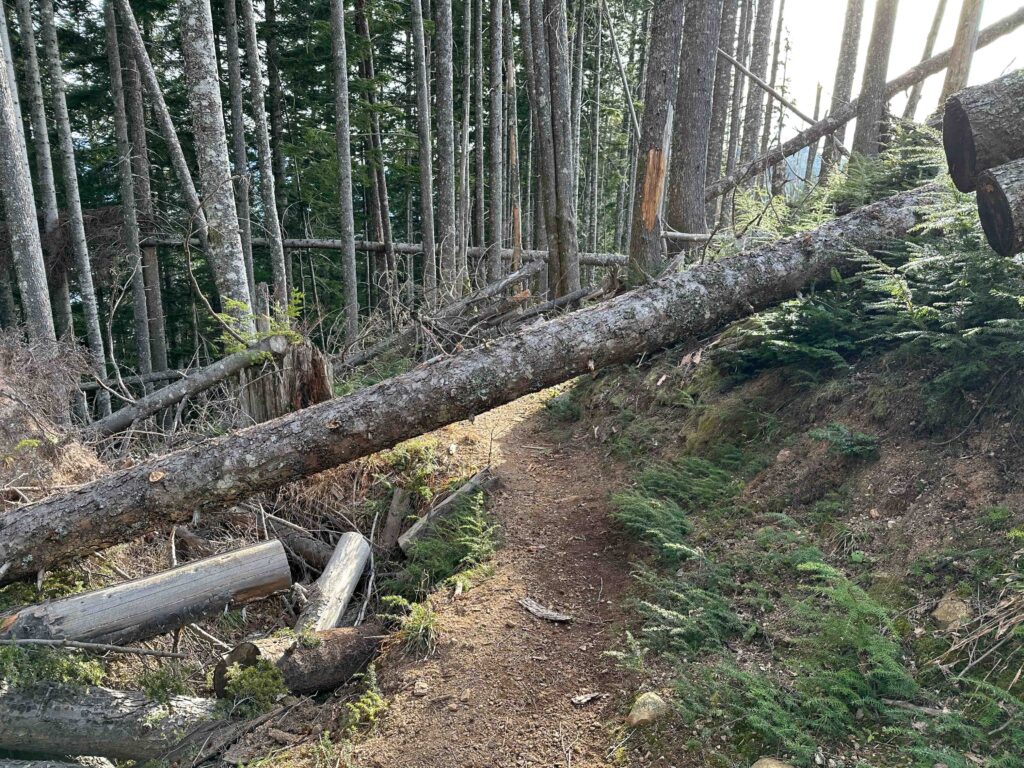
I infused that lived experience into last night’s Feedback seminar. Rather than striving for ever more preparation, this time as I readied myself, I reflected on 33 years of experience I could draw on. My 30 slides were strong and sparse. I knew my transitions between slides. But more, I knew my material. I’ve lived it, breathed it, and I am coming to trust it, almost as much as I trust what the trail teaches.
In the final hours leading up to my first talk of 2026, I found myself feeling the familiar butterflies. But I recognized them for what they were: not a sign of worry, anxiety, or under preparedness. Rather, this was excitement for the opportunity to collaborate with other leaders. To hold a conversation where we all could learn from each other and grow collectively. No longer only a “teacher” or “leader,” I am starting to view myself as one who shows folks the path and walks beside them.
Trust What the Trail Teaches: A Lens for Life
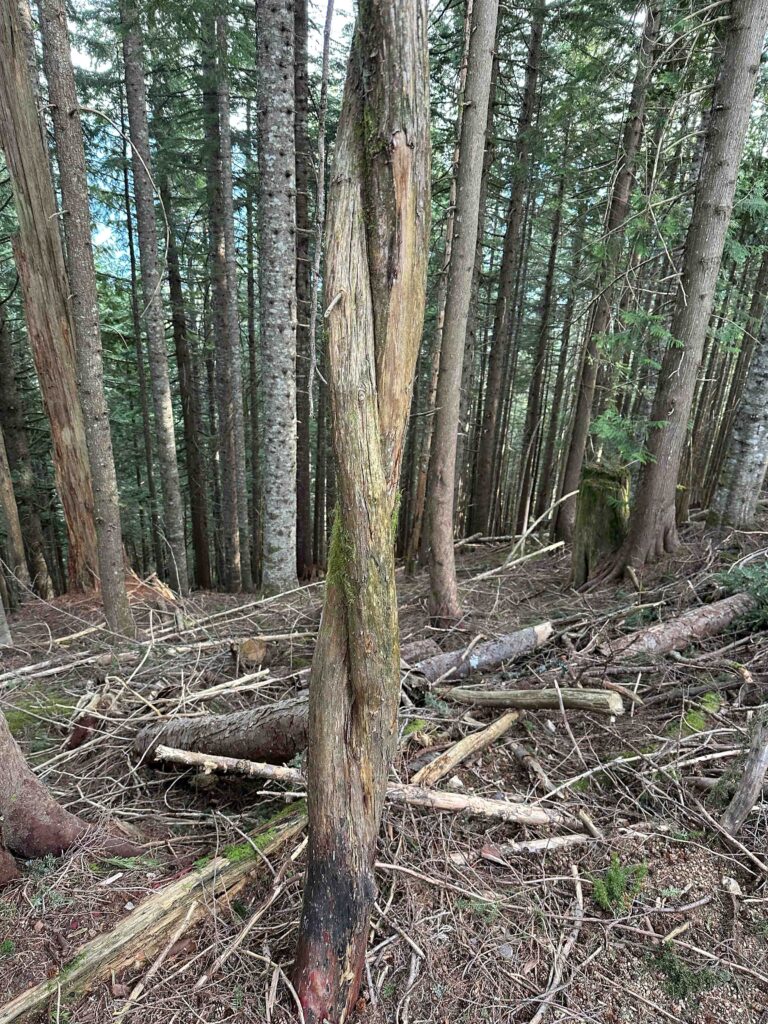
Safety, belonging, and support create the conditions where people grow, both on trails and in life. The neuroscience material I’ve been studying for fifteen months echoes this change. If our brain feels threatened it sends us pain messages. This can be physical, but it can also be emotional.
Facilitating a talk on giving feedback parallels the Wellness coaching path I’ve chosen, as well as the Neuroscience materials we’ve been introducing. And within the Mountaineers organization itself, I’ve grown into two intertwining, supporting selves: trip leader and group facilitator. Both require a high level of trust.
Carkeek Park as a Confirming Echo
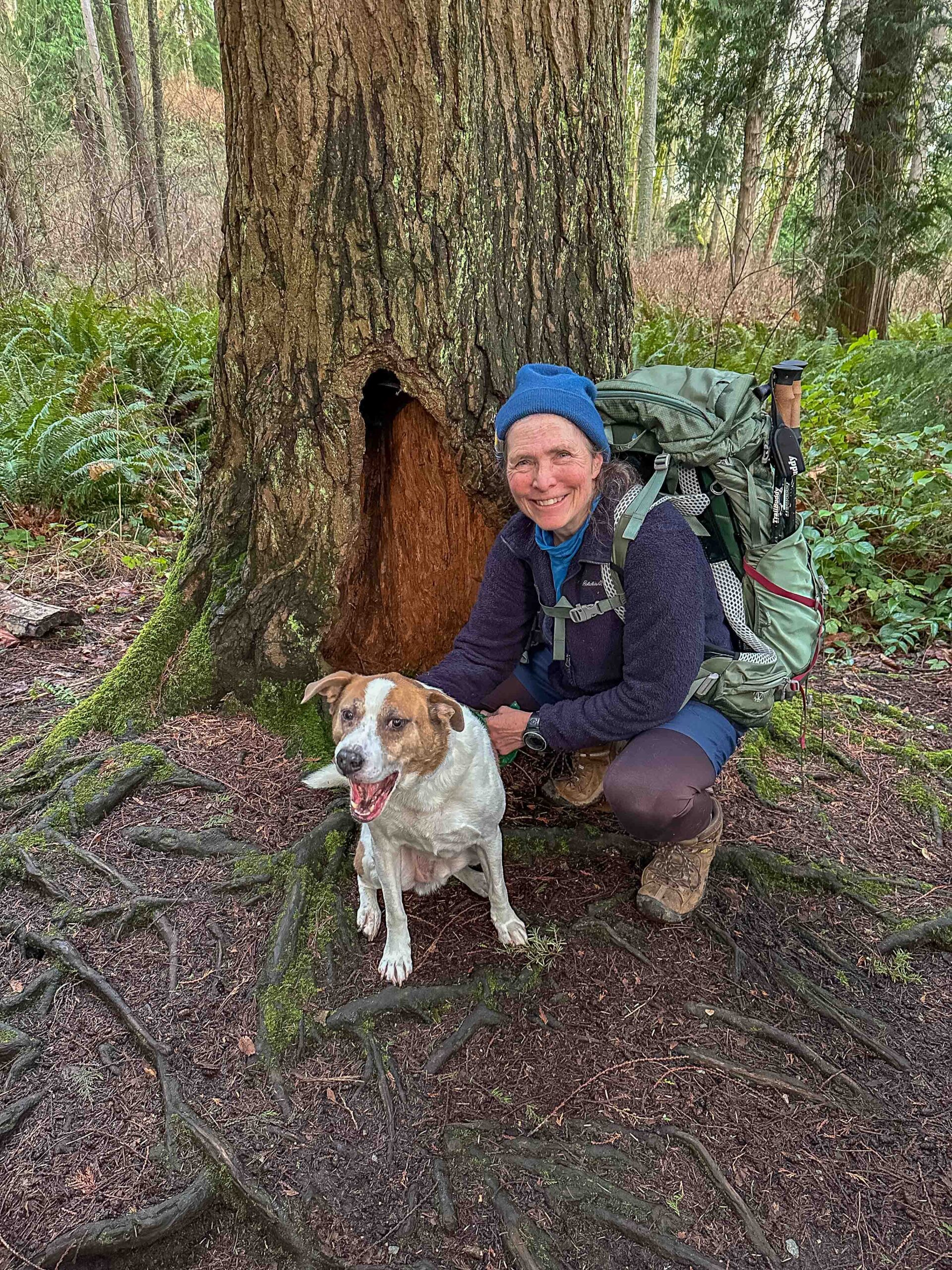
Yesterday morning, I led a different group of eight – not my Tuesday regulars, but people equally worth getting to know – on a hike in Carkeek Park with my dog Ajax. After leading the bulk of the hike on paths that were familiar, I offered to add on a “scouting” leg, on a new-to-me trail that two other participants said they knew.
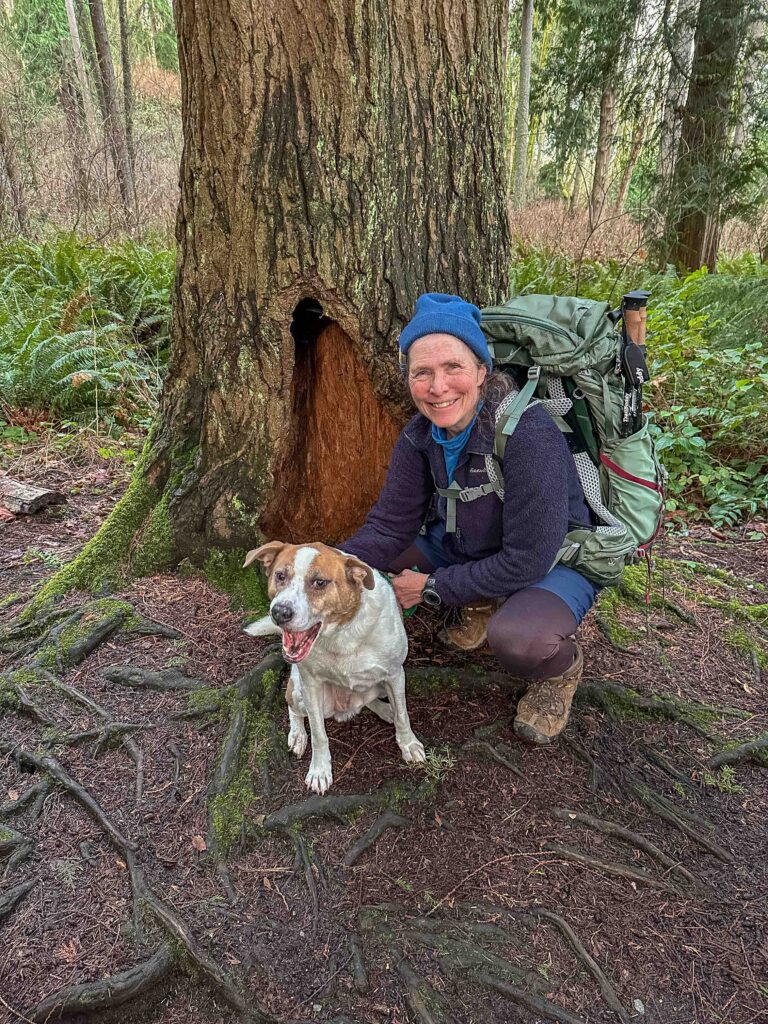
When I overshot and had us gain more elevation than we needed, I soon realized my navigation error. I bit back a snarky “wish one of you had spoken up” and instead admitted my mistake. No blame. No shame. Just ownership. When one participant later shared that she wanted to lead but couldn’t navigate her way to the mailbox, I felt oddly heard. She knew the path but didn’t feel comfortable speaking up. I noticed the mistake and owned it.
In the end, we provide and receive the best feedback when we feel safe. My role as a leader is to create a safe environment for all participants. Including myself. The fact that I can now make mistakes and acknowledge and own them publicly not only shows I am human, but that others can trust and feel safe with me, to make mistakes, learn, and grow.
Growing to Trust What the Trail Teaches
Lately, I have been wondering how often we are already more prepared than we realize. The very experiences we question may be quietly shaping who we are becoming.
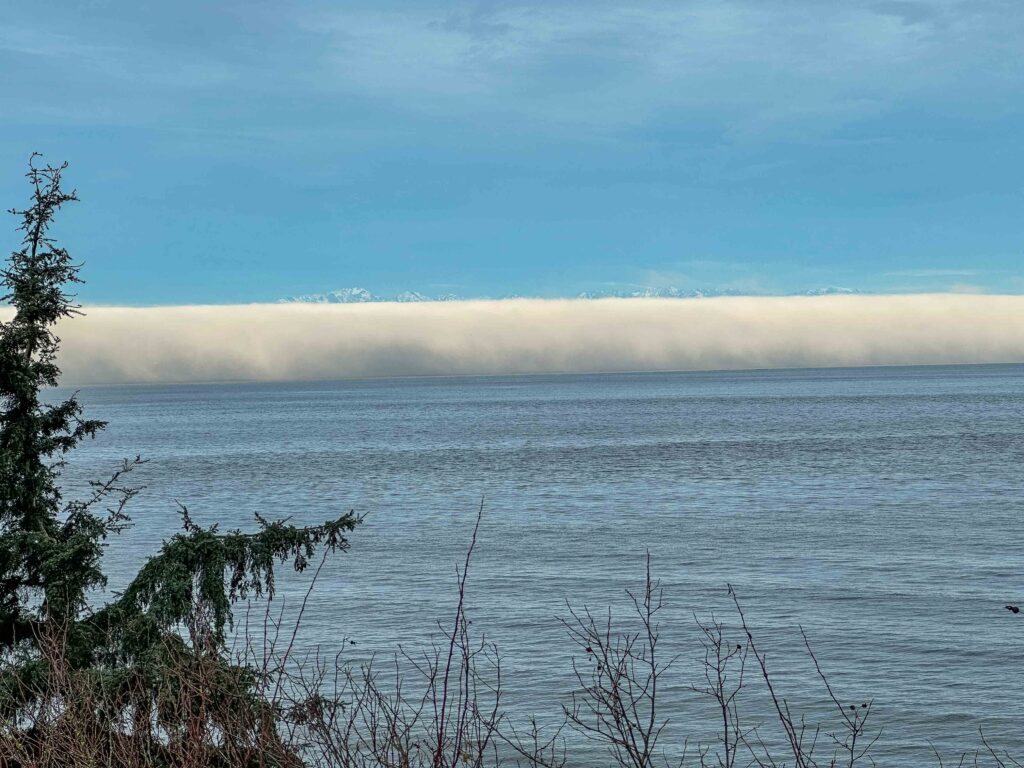
Over the past two weeks, that truth has surfaced again and again. In moments of community. In challenging conversations. And in Zoom rooms where leaders gather to learn from one another. Even out on the trail, where clarity often arrives with the rhythm of our steps.
Somewhere between the windswept path at Grand Prospect and the familiar bird-filled trails of Carkeek Park, I recognized something simple. Personal growth is sometimes less about striving so hard to become someone new and more about trusting who we are already becoming. And as I review my most recent blog posts, I see a theme emerging for 2026: self-trust.